
Embarking on a solo adventure can be an incredibly rewarding experience. Exploring new cultures, discovering hidden gems, and enjoying the freedom of independent travel are just a few of the many perks. However, alongside the excitement, solo travel safety should be a top priority. This article outlines 10 must-know solo travel safety hacks designed to empower you with the knowledge and tools necessary for a secure and enriching journey. Whether you’re a seasoned globetrotter or a first-time solo explorer, these tips will help you navigate the world with confidence and peace of mind, ensuring a memorable and, most importantly, safe experience.
From pre-trip planning to on-the-ground strategies, these solo travel safety hacks cover essential aspects of personal security. Learn how to safeguard your belongings, stay aware of your surroundings, communicate effectively in unfamiliar territories, and handle unexpected situations. Implementing these 10 must-know tips will not only minimize potential risks but also enhance your overall travel experience, allowing you to fully embrace the joys of solo travel while prioritizing your well-being. Prepare to embark on your adventure equipped with the knowledge and confidence to explore the world safely and independently.
Blend in with Locals
Blending in can significantly reduce your chances of being targeted as a tourist. Avoid flashy jewelry or clothing that screams “tourist.” Opt for neutral, practical attire similar to what locals wear.
Observe local customs and etiquette. This could include everything from how you greet people to how you handle money. Researching basic phrases in the local language can also be incredibly helpful, even if it’s just “hello” and “thank you.”
Project confidence. Even if you’re lost, try to appear as though you know where you’re going. Walking with purpose and avoiding constantly checking maps can deter unwanted attention.
Trust Your Instincts
Your intuition is a powerful tool. If a situation, person, or place feels unsafe, remove yourself. Don’t worry about being polite or second-guessing yourself. Prioritize your safety.
That gut feeling is often your subconscious picking up on subtle cues you may not consciously register. Trust it. It’s better to be overly cautious than to ignore a potential threat.
If something feels off, it probably is. Have an exit strategy, even if it’s just mentally noting the nearest exit or a well-lit area.
Carry a Personal Safety Alarm
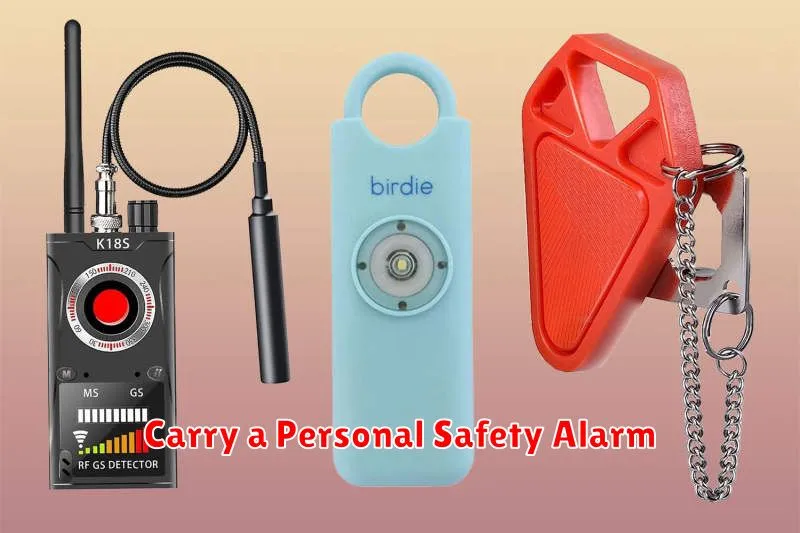
A personal safety alarm is a small, portable device that emits a loud, high-pitched sound when activated. This can be incredibly useful in deterring potential attackers and attracting attention if you find yourself in a dangerous situation. Choose an alarm that is easy to activate, even under stress. Test it regularly to ensure it’s functioning correctly and that you’re comfortable using it.
These alarms are lightweight and easily attached to a keychain or bag, making them convenient to carry at all times. Consider carrying it in your hand while walking alone, especially at night or in unfamiliar areas. The simple act of having it readily accessible can provide an added sense of security.
Create a Safety Check-in Schedule
Staying connected is crucial for solo travel safety. Establish a regular check-in schedule with a trusted friend or family member. This could be daily, or even more frequent depending on your itinerary and destination.
Provide them with details of your plans, including accommodation information and expected travel routes. Crucially, agree on a specific time to check in. If you fail to check in at the agreed time, they’ll know something might be wrong and can take appropriate action.
Consider using a shared online document or app to update your location and itinerary in real time. This provides an added layer of security and allows your contact person to easily track your progress.
Limit Alcohol Intake
While enjoying the local nightlife can be a part of the travel experience, excessive alcohol consumption can impair your judgment and make you a target for criminals. It also increases the likelihood of accidents or getting lost, especially in unfamiliar surroundings.
Be mindful of your alcohol intake. Consider alternating alcoholic beverages with water or non-alcoholic drinks. Set a limit for yourself before you go out and stick to it. It’s always better to err on the side of caution when traveling solo.
Avoid Sharing Travel Details Publicly
While it’s tempting to share your exciting travel plans on social media, resist the urge. Publicly posting details like your itinerary, flight information, hotel name, or even your home address while you’re away can compromise your safety. This information can be easily accessed by individuals with malicious intent.
Wait until you return home to share your travel stories and photos. This simple precaution significantly reduces the risk of becoming a target for theft or other harmful activities. Consider sharing your itinerary with a trusted friend or family member privately, providing them with emergency contact information.
Stay in Central Locations
Staying in a central location offers several safety advantages for solo travelers. Increased foot traffic and well-lit streets typically make central areas safer, especially at night. You’ll likely be closer to essential amenities such as transportation hubs, restaurants, and shops, reducing the need to travel alone through unfamiliar or desolate areas.
Central locations also often have a higher police presence, offering an added layer of security. While prices may be slightly higher, the enhanced safety and convenience can be worth the investment, particularly when traveling alone.
Keep Valuables Hidden
One of the most important safety tips for solo travelers is to keep valuables out of sight. A flashy display of expensive jewelry or electronics can attract unwanted attention.
Invest in a discreet money belt or neck pouch to store your passport, cash, and credit cards. Avoid putting valuables in your back pockets or outside compartments of bags. When in your accommodation, utilize the provided safe for storing important items like electronics and extra cash.
Being mindful of how you display your valuables significantly reduces your risk of theft.
Learn Basic Self-Defense Moves
Prioritizing your safety while traveling solo is paramount. Learning a few basic self-defense moves can significantly boost your confidence and preparedness in unfamiliar situations. Focus on simple, effective techniques that can help you create distance or temporarily disable an attacker, allowing you to escape.
Consider enrolling in a self-defense class before your trip. This will provide hands-on training with a qualified instructor. Even a short introductory course can equip you with valuable skills. Key areas to learn include palm strikes, knee strikes, and escaping from grabs.
Practice these techniques regularly to build muscle memory. Visualize different scenarios and mentally rehearse your responses. This mental preparation is just as important as the physical training, enhancing your ability to react decisively under pressure.
Plan Your Routes Ahead
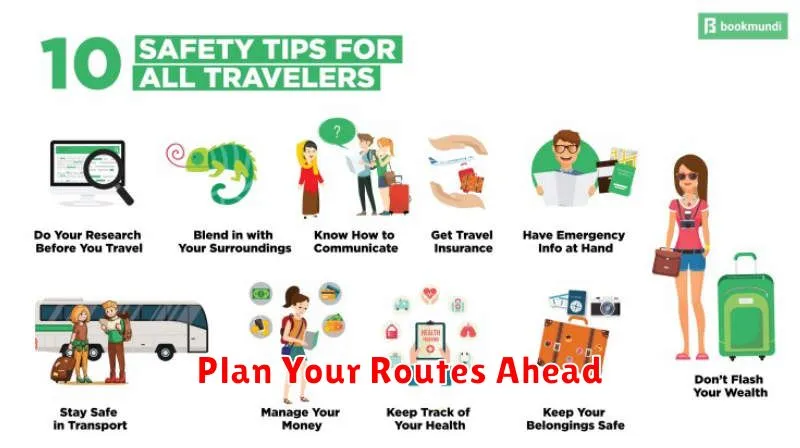
Pre-planning your routes is a crucial safety measure for solo travelers. Knowing where you’re going and how to get there minimizes the chances of getting lost, especially in unfamiliar territories. This is particularly important at night or in less safe areas.
Research different transportation options and identify safe routes. Utilize offline maps and navigation apps to avoid reliance on unreliable internet connections. Having a backup plan, like printed directions or pre-booked transportation, is always a good idea. Inform someone trustworthy about your itinerary, including planned routes and estimated arrival times.
