
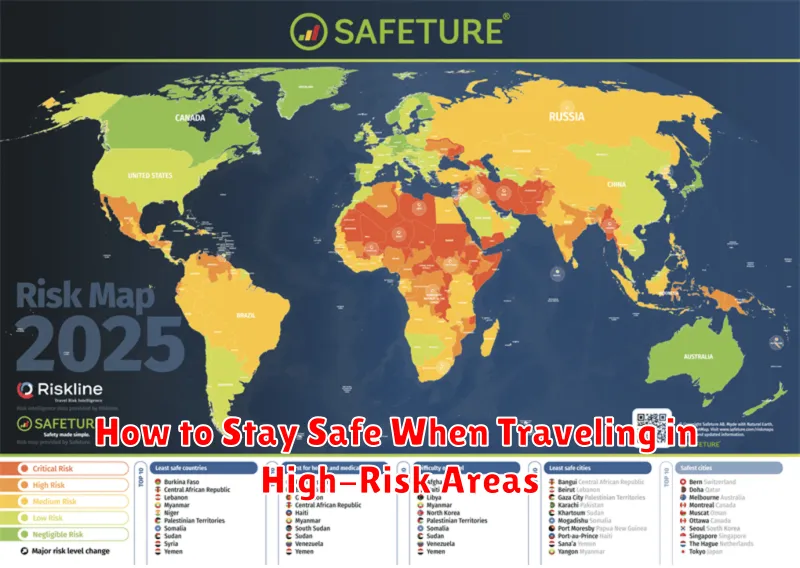
Traveling to high-risk areas can be an enriching experience, but it’s essential to prioritize your safety. Whether you’re drawn to the thrill of adventure tourism, conducting business in politically unstable regions, or visiting remote areas with limited infrastructure, understanding the potential risks and taking appropriate precautions is paramount. This article will provide you with comprehensive information and practical strategies to stay safe when traveling in high-risk areas, covering topics from pre-trip planning and situational awareness to emergency preparedness and communication protocols. Learn how to mitigate potential threats like petty theft, violent crime, natural disasters, and health risks, allowing you to travel confidently and responsibly in challenging environments.
Navigating the complexities of high-risk travel requires careful consideration of various factors, including the specific destination, the purpose of your trip, and your personal risk tolerance. By understanding the potential dangers and implementing effective safety measures, you can significantly reduce your vulnerability and enhance your overall travel experience. This guide will delve into essential pre-trip preparations, such as researching your destination, obtaining necessary visas and vaccinations, and informing others of your itinerary. We’ll also explore strategies for staying safe during your trip, focusing on situational awareness, secure accommodation options, reliable transportation, and effective communication strategies. From managing medical emergencies to handling unexpected security incidents, this article will equip you with the knowledge and tools to navigate the challenges of high-risk travel and ensure a safe and successful journey.
Conducting Comprehensive Risk Assessments
Before embarking on travel to a high-risk area, a thorough risk assessment is essential. This involves identifying potential hazards specific to your destination and planned activities.
Consider factors such as political instability, crime rates, health risks (including endemic diseases and access to medical care), natural disasters, and transportation safety. Research credible sources like government advisories and reputable news outlets.
Evaluate the likelihood and potential impact of each hazard. This will allow you to prioritize safety measures and make informed decisions about your itinerary, accommodations, and activities.
Choosing Reliable Transportation
In high-risk areas, transportation choices significantly impact your safety. Prioritize vetted transportation services with established safety records. Opt for pre-booked options over hailing rides on the street.
Research reputable companies beforehand. If using a ride-hailing app, confirm the driver’s details match the app information. Share your itinerary with a trusted contact and track your location during your journey.
Consider private car services or official taxis over unregulated transportation. When available, choose vehicles with GPS tracking and emergency communication features. Avoid unmarked vehicles or unsolicited ride offers.
Staying Informed About Local Conditions
Staying informed about local conditions is crucial for safe travel in high-risk areas. Monitor local news and government advisories before and during your trip. Pay close attention to any security alerts, travel warnings, or health advisories issued for your destination.
Consider registering with your embassy or consulate upon arrival. This allows them to contact you in case of emergencies and provide assistance if needed.
Be aware of local customs and laws, as these can vary significantly from your home country. Understanding local sensitivities can help you avoid unintentional offenses and ensure a safer, more respectful experience.
Securing Safe Accommodations
Choosing the right accommodation is crucial for safety in high-risk areas. Thoroughly research potential hotels or guesthouses. Look for establishments with positive security reviews and features such as 24/7 reception, secure entrances, and well-lit surroundings.
Avoid accommodations in isolated or poorly lit areas. Consider staying in areas with a higher police presence or those known to be safer for tourists. Upon arrival, familiarize yourself with emergency exits and procedures.
Share your itinerary and accommodation details with a trusted contact back home. Keep valuables locked in a safe provided by the accommodation, and be cautious about disclosing your room number to strangers.
Having a Solid Communication Plan
Communication is crucial for safety in high-risk areas. Establish a plan before you depart. Designate a primary contact person back home and inform them of your itinerary.
Determine check-in times and methods. Will you call, text, or use a messaging app? Consider satellite communication devices if traveling to remote locations with limited cellular service. Share this information with your contact person.
Have a backup plan in case your primary communication method fails. This could include a secondary contact person or alternative communication device.
Blending in with Locals
Blending in is a key tactic for minimizing risk in high-risk areas. It reduces the chances of being targeted as a tourist, which can make you vulnerable. Avoid flashy clothing, jewelry, and accessories that attract unwanted attention. Instead, opt for simple, conservative attire similar to what locals wear.
Observe local customs and etiquette. This includes understanding appropriate greetings, gestures, and dining practices. Being mindful of these cultural nuances demonstrates respect and helps you avoid inadvertently drawing attention to yourself. Researching beforehand is crucial for understanding the local culture.
Avoiding Traveling at Night
Traveling at night in high-risk areas significantly increases your vulnerability. Reduced visibility limits your awareness of surroundings and potential threats. It also makes you an easier target for criminals who operate under the cover of darkness.
Whenever possible, schedule your travel during daylight hours. This allows you to better observe your surroundings, identify potential dangers, and seek assistance if needed. If night travel is unavoidable, take extra precautions. Travel with a reputable and trusted local guide or driver. Inform someone of your route and estimated arrival time. Maintain constant vigilance and avoid isolated or poorly lit areas.
Emergency Preparedness
Prior to traveling to a high-risk area, thorough preparation is crucial. This includes understanding potential risks and developing a comprehensive emergency plan.
Key elements of your plan should include established communication protocols with designated contacts back home, a readily accessible list of emergency contacts within the region (embassy, local authorities, medical facilities), and a pre-determined meeting point in case of separation from your group.
Pack a basic first-aid kit and any necessary medications. Ensure you have copies of essential documents like your passport, visa, and travel insurance, stored separately from the originals. Consider carrying a small amount of local currency in small denominations for emergencies.
Understanding Local Laws
Familiarizing yourself with the local laws of your destination is crucial for staying safe in high-risk areas. Laws can vary significantly from your home country, and ignorance is not a valid defense.
Research specific regulations regarding: drug use, alcohol consumption, dress codes, photography restrictions, and interactions with law enforcement. Pay close attention to laws concerning protests, public gatherings, and politically sensitive topics.
Violating local laws, even unknowingly, can lead to detention, fines, or other serious consequences.
Insurance Coverage for High-Risk Areas
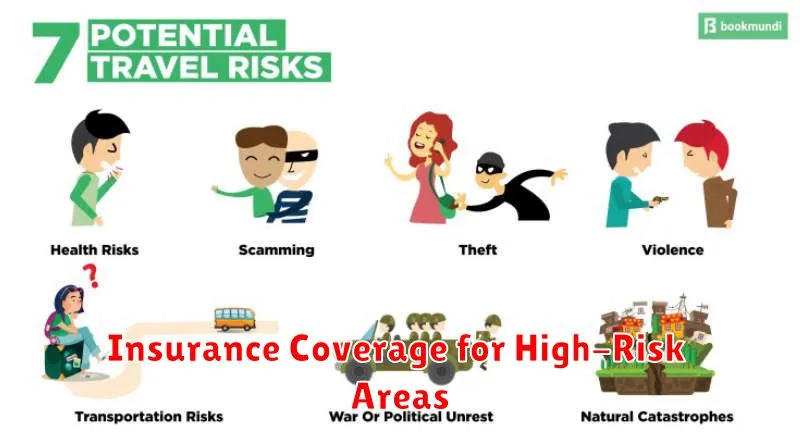
Traveling to high-risk areas necessitates careful consideration of insurance coverage. Standard travel insurance policies may not provide adequate protection for certain events, such as political instability, terrorism, or natural disasters. Therefore, securing specialized coverage is crucial.
Look for policies that specifically cover medical evacuation, political evacuation, and trip interruption due to unforeseen circumstances relevant to high-risk destinations. Carefully examine the policy details and ensure the coverage aligns with the potential risks of the specific region.
Contact your insurance provider to discuss your travel plans and confirm the extent of their coverage. Supplementing your existing insurance with a specialized high-risk travel insurance policy may be necessary for comprehensive protection.
