
Traveling can be an enriching experience, but the excitement of exploring new places can sometimes overshadow the importance of keeping your valuables safe. From passports and money to electronics and jewelry, protecting your belongings is crucial for a worry-free trip. This article will provide you with essential tips and strategies to safeguard your valuables while traveling, allowing you to focus on creating lasting memories instead of dealing with the stress of loss or theft.
Whether you’re a seasoned globetrotter or embarking on your first adventure, understanding the potential risks and taking proactive steps to mitigate them is key. Learn how to effectively utilize money belts, hidden pockets, and secure luggage to protect your valuables. Discover practical advice on minimizing your exposure to pickpockets and scams, as well as what to do if the unfortunate does occur. Safeguarding your valuables while traveling is not just about preventing theft; it’s about ensuring peace of mind and enjoying your journey to the fullest.
Use Anti-Theft Bags and Gear
Investing in anti-theft bags and gear can significantly enhance the security of your valuables. These specialized items are designed with features that deter thieves and help prevent theft.
Look for bags with slash-resistant straps and locking zippers. These features make it much harder for pickpockets to access your belongings. Consider a bag with RFID-blocking material to protect your credit cards and passport from electronic theft.
Other helpful anti-theft gear includes cable locks for securing your luggage and portable safes for storing valuables in your hotel room. While these measures don’t guarantee complete protection, they add an extra layer of security and can deter opportunistic thieves.
Keep Valuables Hidden
One of the most effective ways to safeguard your valuables is to keep them hidden. Out of sight, out of mind. Don’t flash expensive jewelry or electronics. Avoid attracting unwanted attention.
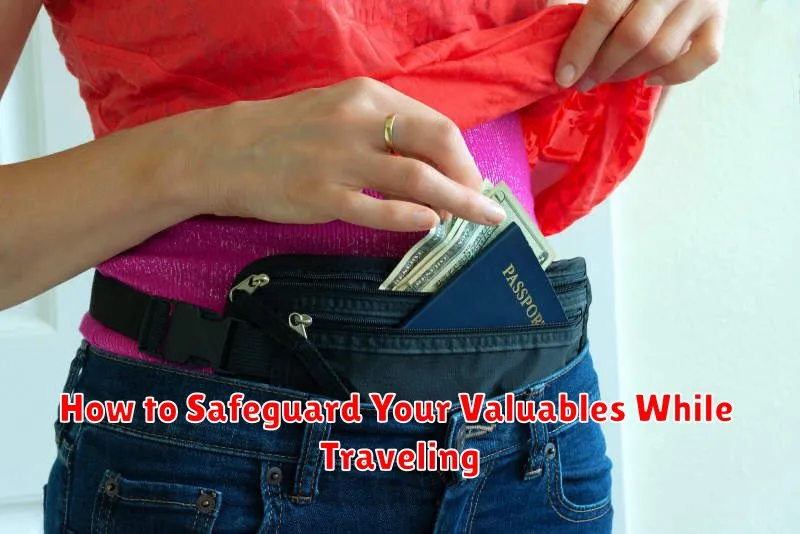
Utilize hotel safes for important documents, extra cash, and smaller valuable items. When out and about, consider using hidden pockets or money belts worn discreetly under your clothing. Keep bags zipped and close to your body at all times.
Utilize Hotel Safes Wisely
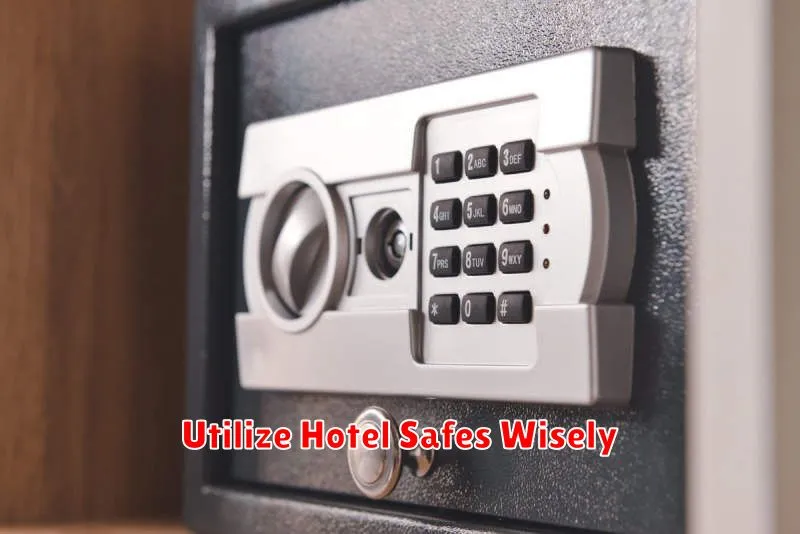
Hotel safes can offer a layer of security for your valuables, but it’s crucial to use them judiciously. Not all safes are created equal, and some older models may be easily compromised.
Before using the safe, inspect it. Ensure it’s securely bolted to the wall or floor. Test the locking mechanism and familiarize yourself with its operation.
Consider what you store inside. Prioritize essential documents like passports, extra credit cards, and expensive jewelry. Everyday items might be better left in your luggage.
Carry Minimal Cash
One of the most effective ways to protect yourself from theft is to carry minimal cash. Large amounts of cash make you a target. Instead, rely primarily on credit cards or debit cards for purchases. These offer better fraud protection and can be easily canceled if lost or stolen.
If you must carry cash, divide it up. Keep some in your wallet and the rest in a separate, secure location within your luggage or on your person (such as a money belt). This way, if your wallet is stolen, you won’t lose all your funds.
Use RFID-Blocking Accessories
RFID skimming is a real threat, allowing thieves to steal your credit card information wirelessly. Protect yourself by using RFID-blocking accessories.
These accessories, such as sleeves, wallets, and passport holders, are lined with materials that block RFID signals. This prevents thieves from electronically accessing your sensitive data.
Consider using RFID blocking for any item containing an RFID chip, including credit and debit cards, passports, and some driver’s licenses. While the prevalence of RFID skimming is debated, using these accessories provides an extra layer of security and peace of mind.
Document Your Important Items
Before embarking on your travels, create a comprehensive record of your valuable belongings. This serves as crucial evidence in case of loss, theft, or damage.
Photograph each item individually, capturing any identifying features like serial numbers or unique markings. Make copies of important documents like your passport, driver’s license, and credit cards. Store these digital copies securely in the cloud or on a separate storage device.
Consider creating a simple spreadsheet or list detailing each item, its description, and approximate value. This organized record will expedite the insurance claim process, if necessary.
Be Cautious in Crowded Areas
Crowded areas, such as markets, public transportation, and tourist attractions, are prime spots for pickpockets and thieves. Maintain heightened awareness of your surroundings. Keep a firm grip on your belongings, especially bags and purses.
Consider using a cross-body bag or a backpack worn in front. This makes it more difficult for someone to snatch your valuables without your notice. Avoid placing your wallet or phone in your back pocket where they are easily accessible to pickpockets.
Be wary of jostling or unexpected bumps, as these could be tactics used by thieves to distract you while they steal your belongings. If you feel someone pressing against you or bumping into you repeatedly, immediately check your valuables and relocate to a less crowded area.
Divide Your Valuables
A key strategy for protecting your valuables is to divide them between different locations. This minimizes the risk of losing everything at once. For example, don’t keep all your cash in one place. Split it between your wallet, a money belt, and perhaps a secure pocket in your luggage.
Consider using a combination of physical and digital storage. Scan important documents like your passport and driver’s license and store them securely in the cloud or on a USB drive kept separate from the originals. This provides a backup if the physical copies are lost or stolen.
Never put all your valuables in your checked baggage. Keep essential items like your passport, medications, and some cash in your carry-on bag, ensuring they remain under your direct supervision throughout your journey.
Consider Travel Insurance for Valuables
Travel insurance can provide crucial financial protection for your valuables. Loss, theft, and damage can occur unexpectedly while traveling, leaving you with significant expenses.
Evaluate the coverage limits for your specific items. Some policies may have limitations on reimbursement for high-value items like jewelry or electronics. Check if your homeowner’s or renter’s insurance extends coverage during travel. Often, these policies offer limited protection, making a dedicated travel insurance policy a worthwhile investment.
Important factors to consider when selecting travel insurance for valuables include:
- Coverage limits for individual items and total value
- Deductibles and reimbursement procedures
- Specific types of incidents covered (theft, loss, damage)
- Exclusions and limitations (e.g., certain countries or activities)
Prepare an Emergency Plan
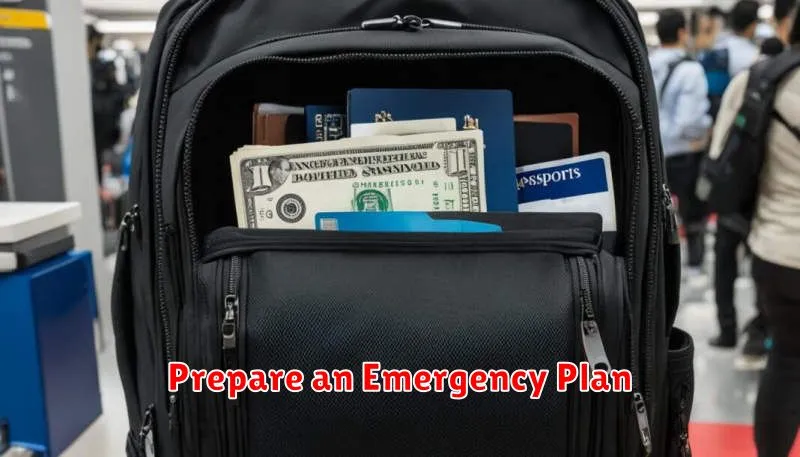
A well-structured emergency plan is crucial for safeguarding your valuables while traveling. This plan should address potential issues like theft, loss, or natural disasters.
Document everything. Before you leave, create a comprehensive inventory of your valuables, including serial numbers and photographs. Store this information securely, separate from the physical items. Consider a cloud-based storage option.
Know your insurance policies. Familiarize yourself with your homeowner’s or renter’s insurance policy and any travel insurance you have purchased. Understand what is covered and the necessary procedures for filing a claim.
Establish communication protocols. Identify emergency contacts and ensure their information is readily accessible. Know how you will contact them if your phone is lost or stolen.
