
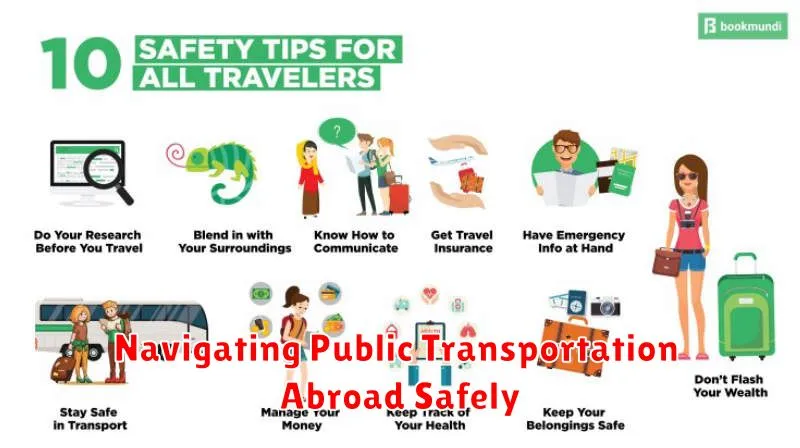
Traveling to a new country can be an exciting adventure, but navigating unfamiliar public transportation systems can be daunting, especially when safety is a top concern. Navigating public transportation abroad safely requires careful planning and awareness. This article will provide essential tips and strategies for ensuring your safety while using public transport in foreign countries. From understanding local customs to identifying potential risks, we’ll cover everything you need to know to confidently and securely use buses, trains, subways, and other forms of public transportation during your international travels. Whether you are a seasoned globetrotter or a first-time traveler, prioritizing your safety is paramount for a positive and memorable experience.
Public transportation safety should be a primary focus for anyone venturing abroad. This article addresses critical aspects of safe travel, including researching local transportation options, understanding ticketing systems, identifying safe routes, and protecting yourself from theft or scams. We’ll also delve into crucial aspects of public transport safety like staying aware of your surroundings, using reliable transportation apps, communicating effectively in unfamiliar languages, and handling emergencies. By following the advice and insights provided, you can significantly mitigate risks and enjoy a smoother, safer, and more enriching travel experience when using public transportation abroad.
Researching Transport Options in Advance
Before embarking on your journey, thoroughly research available public transportation options at your destination. Understanding the local transit system will significantly enhance your travel experience and contribute to your safety.
Identify the various modes of transport available, such as subways, buses, trams, or trains. Familiarize yourself with routes, schedules, and fare structures. Note any specific regulations or customs related to public transport.
Avoiding Peak Travel Hours
Minimizing your exposure to crowds is a key aspect of safe travel. Peak travel hours, typically during the morning and evening commutes, often result in crowded public transportation. These crowded conditions can increase the risk of theft and make it more difficult to maintain personal space.
Whenever possible, adjust your schedule to travel outside of these peak periods. This might involve leaving for your destination earlier in the morning or later in the evening, or choosing to travel during the midday. Even a slight shift in your schedule can make a significant difference in the number of people you encounter on public transportation.
If you must travel during peak hours, be extra vigilant of your belongings and surroundings. Maintain awareness of your personal space and report any suspicious activity to the appropriate authorities.
Purchasing Tickets Safely
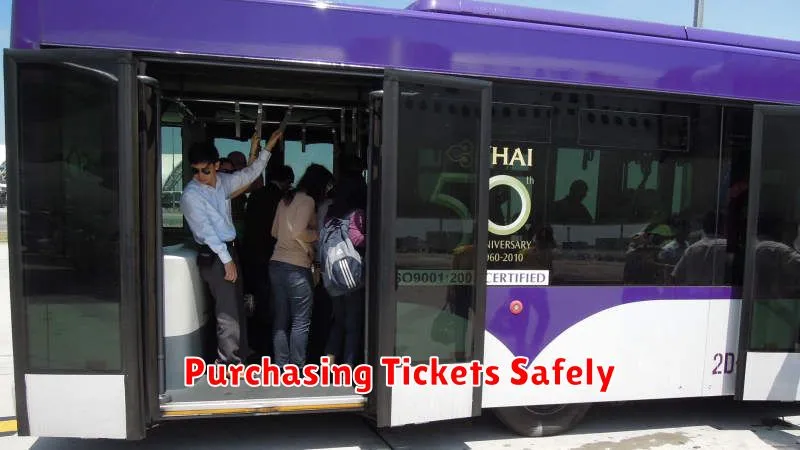
Acquiring public transportation tickets safely is paramount to a secure travel experience. Avoid purchasing tickets from unofficial vendors as these may be counterfeit or invalid, leaving you stranded or at risk of scams.
Prioritize official ticket booths, automated kiosks within stations, or designated transportation apps. These channels ensure legitimate tickets and often provide purchase options in multiple languages. When using kiosks, be mindful of your surroundings and shield your PIN entry from prying eyes.
If using a mobile ticketing app, ensure it’s a reputable platform endorsed by the local transportation authority. Download the app before your trip to familiarize yourself with its features and payment options. Keep your phone secure and be cautious of shoulder surfing while making purchases.
Securing Your Belongings on Transit
Protecting your belongings while using public transportation is crucial for a safe and enjoyable trip. Keep valuables like passports, money, and electronics close to your body at all times. Consider using a money belt or a secure inner pocket.
Be extra vigilant in crowded areas, as these are prime spots for pickpockets. Secure your bags by keeping them in front of you and zipped closed. Avoid placing bags on the floor or overhead racks where they are easily accessible to others.
If you carry a backpack, consider using a lock for added security. Be mindful of your surroundings and avoid displaying expensive jewelry or electronics openly.
Understanding Local Transport Scams
Being aware of common transportation scams is crucial for safe travels. Overcharging is a frequent issue, especially for tourists unfamiliar with local fares. Always confirm pricing beforehand or use official ride-hailing apps whenever possible.
Fake taxis are another prevalent scam. These unlicensed vehicles often lack proper safety features and may inflate prices dramatically. Look for official markings and insist on using metered taxis or reputable ride services.
Distraction thefts can occur on crowded buses or trains. Be mindful of your belongings and avoid displaying expensive items. Bag slashing, where thieves cut open bags to steal valuables, is another tactic to be aware of. Keep your bag close and consider using slash-resistant bags.
Knowing Your Route Ahead of Time
Prior to embarking on your journey, thorough route planning is essential for a safe and smooth experience. Familiarize yourself with the public transportation system at your destination. Identify the specific lines, stations, and estimated travel times.
Offline maps can be invaluable, especially if data access is limited or expensive. Download a reliable transit app or map beforehand.
Having a predetermined route minimizes the chances of getting lost or taking a wrong turn, especially in unfamiliar surroundings. This also reduces your vulnerability to opportunistic crime, as you’ll appear more confident and less likely to be targeted.
Using Trusted Apps for Navigation
Reliable navigation is crucial when using public transport in a foreign country. Leveraging trusted apps can significantly simplify your journey and enhance your safety.
Prior to your trip, research and download official or well-reviewed transportation apps specific to your destination. These apps often provide real-time information on routes, schedules, and potential delays. They can also offer offline maps, a valuable feature when dealing with limited data connectivity.
Verify the app’s legitimacy by checking user reviews and ratings. Stick to official apps provided by the local transit authorities whenever possible.
Remaining Alert to Surroundings
Maintaining awareness of your surroundings is paramount when using public transport in a foreign country. Pickpocketing and scams are more prevalent in tourist-heavy areas and on crowded transport systems. Avoid distractions such as loud music or excessive phone use. This allows you to observe fellow passengers and be aware of any potential threats.
Keep your valuables secure, ideally within a concealed money belt or inside pockets. Be mindful of bags and luggage, especially in crowded stations or during transfers. Avoid overt displays of wealth like expensive jewelry or technology.
Traveling with a Group if Possible
Whenever feasible, opt to travel with a companion or a group. There is strength in numbers, and a group presence can often deter potential threats. This is particularly important at night, in unfamiliar areas, or on less frequented routes.
If traveling solo is unavoidable, stay aware of your surroundings. Avoid distractions like headphones or excessive phone use, especially in crowded areas or on public transport. Maintaining vigilance helps you observe and react to potential dangers more effectively.
Emergency Protocols on Public Transit
Familiarize yourself with the specific emergency procedures for each mode of transit you use. Locate emergency exits, alarms, and communication devices. Understanding their locations and operation is crucial in a crisis.
In case of an emergency, remain calm and follow instructions from transit personnel or emergency responders. If an evacuation is necessary, leave your belongings behind and proceed to the nearest exit in an orderly manner.
Report any suspicious activity or security concerns to the appropriate authorities immediately. Be observant of your surroundings and trust your instincts.
