
Experiencing a medical emergency abroad can be a frightening and disorienting situation. Being prepared for such an event is crucial for your safety and well-being. This article provides essential guidance on how to effectively manage a medical emergency while traveling abroad, offering practical steps to ensure you receive the appropriate care and support. Understanding what to do in a medical emergency abroad, from pre-trip preparations to on-the-ground actions, can significantly impact your experience and outcome.
Navigating a foreign healthcare system during a medical emergency can be complex. This guide will equip you with the necessary knowledge to handle medical emergencies abroad effectively. We will cover essential pre-trip planning strategies, such as securing appropriate travel insurance and understanding your existing health coverage. Furthermore, we will delve into crucial steps to take during a medical emergency, including contacting local emergency services, communicating your medical needs, and coordinating with your embassy or consulate. Being prepared for a medical emergency abroad can make all the difference in ensuring a safe and healthy journey.
Knowing Your Insurance Coverage
Before traveling abroad, it is crucial to understand your health insurance policy’s international coverage. Does your plan offer any coverage outside your home country? If so, what are the specifics? What type of medical expenses are covered, and are there any limitations or exclusions?
Check if your policy requires pre-authorization for treatments abroad or if you need to use specific hospitals or doctors. Carefully review your policy documents or contact your insurance provider directly to confirm the extent of your coverage and any relevant procedures.
Understanding these details before an emergency arises can prevent unexpected financial burdens and facilitate smoother access to necessary medical care while traveling.
Contacting Local Emergency Services
In a medical emergency abroad, your first step should be to contact local emergency services. Knowing the correct number is crucial. Research this information in advance and keep it readily accessible. Many countries use 112 as the universal emergency number, but it’s essential to confirm the specific number for your destination.
When contacting emergency services, clearly and concisely communicate the nature of the emergency, your location, and any pertinent details about the affected individual. If possible, have someone who speaks the local language assist with the call. Language barriers can complicate matters, so preparing basic phrases related to medical emergencies in the local language can be highly beneficial.
Carrying Important Medical Information
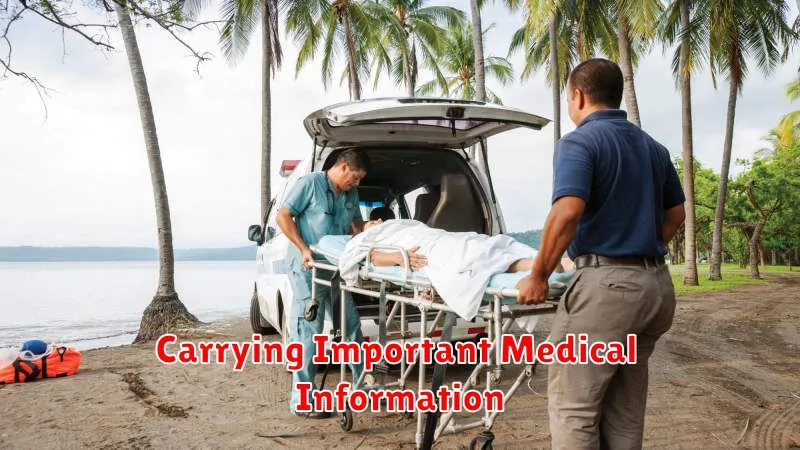
In a medical emergency abroad, readily accessible information can be crucial. Carry a medical information card containing essential details such as your name, blood type, allergies, medical conditions, and emergency contact information.
List any medications you are currently taking, including dosages. Note any vaccinations you’ve received. If you have implants or medical devices, document their type and manufacturer.
Consider storing this information electronically on your phone as well, but ensure a physical copy is always available. This allows medical professionals to provide effective treatment quickly, even if you are unable to communicate.
Finding Reliable Medical Facilities
In a medical emergency abroad, locating appropriate medical care is crucial. Start by contacting your embassy or consulate. They can often provide a list of recommended hospitals or clinics. Your travel insurance provider should also have a list of approved facilities and can assist with coordinating care.
If you are not insured or cannot reach your provider, research local hospitals online or inquire at your hotel. Look for international accreditations or affiliations with hospitals in your home country. Consider factors such as the facility’s specialization, if applicable, and its proximity to your location. Time is often of the essence in emergencies.
Contacting Your Embassy for Assistance
In a medical emergency abroad, your embassy or consulate can be a valuable resource. They can assist you in several ways, though they cannot provide direct financial aid or medical care.
Locating medical facilities: Embassy staff can help you find appropriate hospitals or doctors in the area. They can also help you understand the local healthcare system.
Contacting family and friends: If you are unable to do so yourself, the embassy can contact your family and friends to inform them of your situation.
Replacing lost or stolen documents: If your passport or other essential documents are lost or stolen, your embassy can assist in replacing them.
Keeping Track of Medical Expenses
In the midst of a medical emergency abroad, managing expenses can be overwhelming. However, meticulous record-keeping is crucial for insurance reimbursement and potential tax deductions.
Retain all receipts, including those for medical services, transportation, medications, and accommodation related to your treatment. Organize these documents systematically.
Keep a detailed log of each expense. Note the date, type of service, provider’s name, and the amount paid. If possible, include a brief description of the reason for the expense.
Arranging Emergency Transportation
Securing appropriate transportation is crucial during a medical emergency abroad. Your course of action will depend on the severity of the situation. For minor injuries, local taxis or ride-sharing services might suffice. However, for serious illness or injury, an ambulance is essential.
Contact your travel insurance provider immediately. They can often coordinate emergency medical transport and advise on the best course of action. If your insurance doesn’t cover transportation, you may need to arrange it yourself. In such cases, contacting the nearest embassy or consulate can provide valuable assistance in navigating local emergency services.
Ensure you have important information readily available, including your location, insurance details, and the nature of the emergency. Clear communication is vital for a swift and effective response.
Maintaining Communication with Family
In a medical emergency abroad, keeping your family informed is crucial. Designate a primary contact person before your trip and share your itinerary with them. This individual should be readily available and responsible for disseminating information to other family members.
Ensure you have multiple communication methods available. While a mobile phone is convenient, consider a local SIM card for cost-effective calling. Inform your contact person of any changes to your plans or communication methods.
If hospitalized, provide the hospital with your emergency contact’s information. Hospital staff can facilitate communication if you’re unable to do so yourself.
Understanding Medication Laws Abroad
Navigating medication regulations in foreign countries is crucial for a safe and healthy trip. Each country has its own specific laws regarding pharmaceuticals, both prescription and over-the-counter. What may be readily available at home could be illegal or require special authorization elsewhere.
Research the specific medication laws of your destination before you travel. Check the embassy or consulate website for the most up-to-date information. Carry a copy of your prescriptions, including the generic names of your medications. Keep medications in their original packaging and consider carrying a doctor’s note explaining your medical condition and the necessity of your medications. Be aware that some countries have restrictions on the quantity of medication you can bring in.
Preparing for Emergencies Before Travel
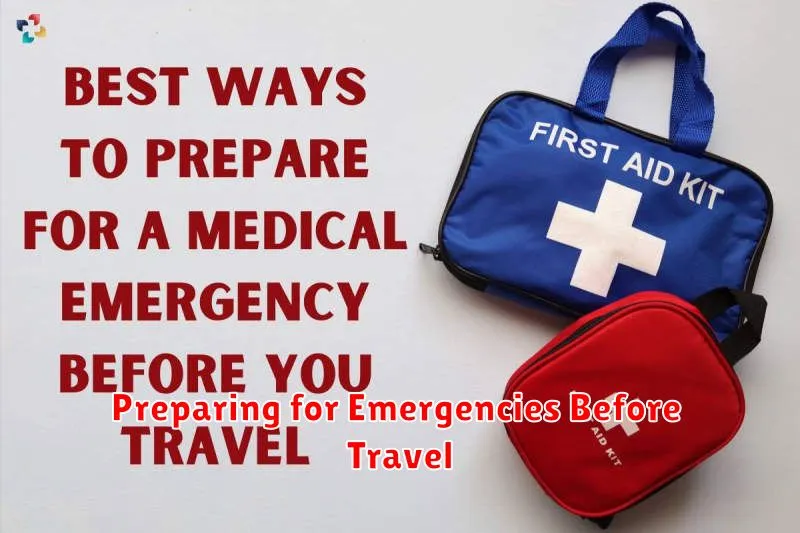
Prior to embarking on international travel, taking proactive steps to prepare for potential medical emergencies is crucial. This preparation can significantly impact your experience should an unforeseen event occur.
Research Healthcare Facilities: Identify hospitals and clinics near your destination. Note their contact information and understand the local healthcare system.
Insurance Coverage: Verify your health insurance policy’s international coverage. Consider purchasing a supplemental travel insurance plan that includes medical evacuation coverage if needed.
Medications: Ensure you have an adequate supply of any necessary prescription medications, along with copies of your prescriptions. Carry these in your carry-on luggage.
Emergency Contacts: Compile a list of emergency contacts, including family, friends, and your physician. Keep this information readily accessible.
