

Traveling abroad offers incredible opportunities for exploration and discovery, but it also presents unique challenges to maintaining your health. Staying healthy while traveling abroad requires careful planning and proactive measures to mitigate potential risks. From understanding travel vaccinations and packing essential travel medications, to navigating food safety abroad and managing jet lag, this guide provides comprehensive strategies to ensure your well-being throughout your international adventures. Whether you are embarking on a short trip or an extended journey, prioritizing your health will enable you to fully embrace the enriching experiences that international travel provides.
This article offers essential tips and practical advice on staying healthy while traveling abroad. It addresses key concerns such as preventing traveler’s diarrhea, managing pre-existing medical conditions in foreign environments, and accessing healthcare abroad if needed. Learn how to protect yourself from common travel illnesses, maintain a balanced diet while exploring new cuisines, and stay physically active during your travels. By following these recommendations, you can maximize your enjoyment and return home feeling refreshed and invigorated after your travel abroad experience.
Preparing for Travel Vaccinations
Planning ahead for travel vaccinations is crucial for a healthy trip. Start by researching the recommended and required vaccinations for your destination.
Schedule an appointment with your healthcare provider or a travel health specialist at least 4-6 weeks before your departure date. This allows sufficient time for the vaccines to become effective.
Discuss your travel itinerary, including specific destinations and planned activities, with your healthcare provider. They will be able to provide tailored recommendations based on your individual risk factors.
Managing Jet Lag Effectively
Jet lag, formally known as desynchronosis, is a temporary sleep disorder that can affect travelers who quickly cross multiple time zones. It disrupts the body’s natural circadian rhythm, leading to fatigue, insomnia, difficulty concentrating, and digestive issues.
Minimizing the effects of jet lag is crucial for a comfortable and productive trip. Before you depart, begin adjusting your sleep schedule gradually towards your destination’s time zone. During the flight, stay hydrated by drinking plenty of water and avoid excessive caffeine or alcohol.
Upon arrival, expose yourself to natural sunlight to help reset your internal clock. Try to adapt to the local time zone immediately by eating and sleeping according to the new schedule. Short naps can be helpful, but avoid extended sleep during the day to promote nighttime rest.
Eating Safely While Traveling
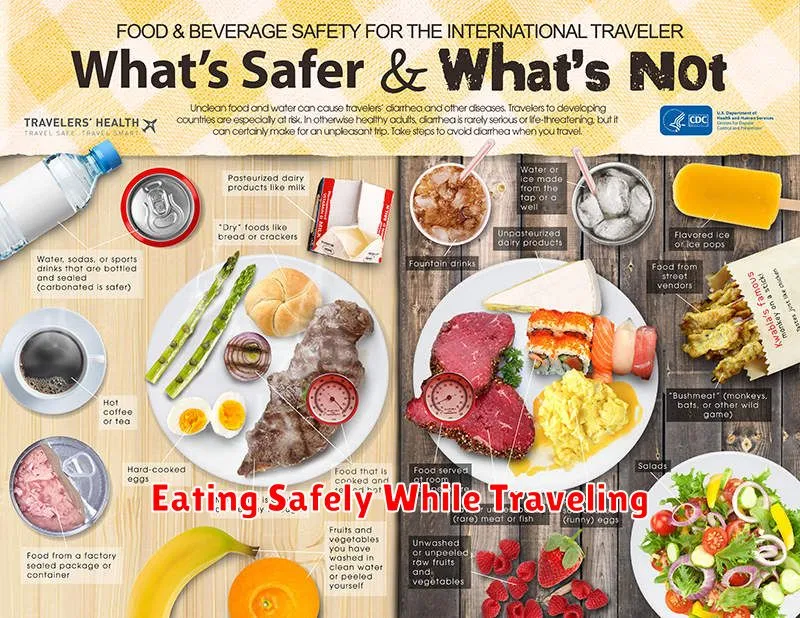
Foodborne illnesses can quickly derail your trip. Minimize your risk by following these precautions:
Choose restaurants that look clean and busy. A high turnover rate usually means fresher food. Avoid street food unless it’s cooked thoroughly in front of you.
Be cautious with water. Drink only bottled water and use it to brush your teeth. Avoid ice cubes unless you know they’re made from purified water. Skip salads and fruits that you can’t peel yourself, as they may have been washed in contaminated water.
If you have any doubts about the safety of the food, it’s best to err on the side of caution and choose something else.
Hydrating Properly
Staying adequately hydrated is crucial for maintaining your health while traveling, especially in different climates. Dehydration can lead to fatigue, headaches, and decreased cognitive function, impacting your overall travel experience.
Carry a reusable water bottle and refill it frequently. Be mindful of the local water quality. In some regions, it’s safer to consume bottled water. Avoid sugary drinks as they can dehydrate you further. Increase your water intake if you are physically active or in a hot climate.
Monitor your hydration levels by observing the color of your urine. Pale yellow indicates good hydration, while dark yellow suggests you need to drink more fluids. If you experience symptoms of dehydration, such as dizziness or muscle cramps, seek medical attention promptly.
Practicing Good Hygiene
Maintaining good hygiene is crucial for staying healthy while traveling abroad. Simple practices can significantly reduce your risk of illness.
Handwashing is paramount. Wash your hands frequently with soap and water, especially before eating and after using the restroom. If soap and water are unavailable, use an alcohol-based hand sanitizer.
Be mindful of food and water safety. Consume food that is thoroughly cooked and served hot. Drink bottled or purified water, and avoid ice cubes unless they are made from safe water sources.
Carrying a Basic First Aid Kit
A basic first aid kit is essential for any traveler. It allows you to address minor injuries and ailments, keeping your trip on track and comfortable. Pack it in an easily accessible location within your luggage.
Essential items for your kit include:
- Adhesive bandages (various sizes)
- Antiseptic wipes
- Pain relievers (e.g., ibuprofen, acetaminophen)
- Antidiarrheal medication
- Antacids
- Motion sickness medication
- Hydrocortisone cream (for insect bites and rashes)
Remember to check expiration dates and replenish any used items upon your return.
Understanding Local Health Risks
Before embarking on your trip, it’s crucial to understand potential health risks at your destination. Research the prevalence of infectious diseases like malaria, dengue fever, or yellow fever. Be aware of any required or recommended vaccinations.
Food and water safety are also important considerations. Understand the local guidelines for safe food and water consumption. Consider packing a traveler’s diarrhea kit and be cautious of raw or undercooked foods.
Environmental hazards can also pose a threat. Research the area for potential issues like altitude sickness, extreme temperatures, or insect-borne illnesses. Pack appropriate clothing and protective gear.
Exercising Regularly on the Road
Maintaining a regular exercise routine while traveling can be challenging, but it’s crucial for your overall well-being. Consistency is key to reaping the benefits of exercise, even when your schedule is disrupted.
Bodyweight exercises are an excellent option when access to a gym is limited. Push-ups, squats, lunges, and planks can be performed virtually anywhere. Explore your surroundings. Walking or jogging in a new city is a great way to sightsee and stay active.
Many hotels now offer fitness centers, so take advantage of these facilities. Pack resistance bands which are lightweight and versatile, allowing for a variety of strength-training exercises.
Protecting Yourself from Illnesses
Staying healthy while traveling requires proactive measures to minimize your risk of illness. Before embarking on your journey, consult with your doctor or a travel health specialist regarding recommended vaccinations and preventative medications for your destination.
Pack a basic first-aid kit including essentials like pain relievers, anti-diarrheal medication, antiseptic wipes, and bandages. Maintaining proper hygiene is crucial. Wash your hands frequently with soap and water, or use an alcohol-based hand sanitizer, especially before eating.
Be mindful of food and water safety. Consume food that is thoroughly cooked and avoid raw or undercooked meat, seafood, and eggs. Drink bottled water or ensure water is properly purified. Avoid ice cubes in drinks as they may be made from contaminated water.
Getting Adequate Rest
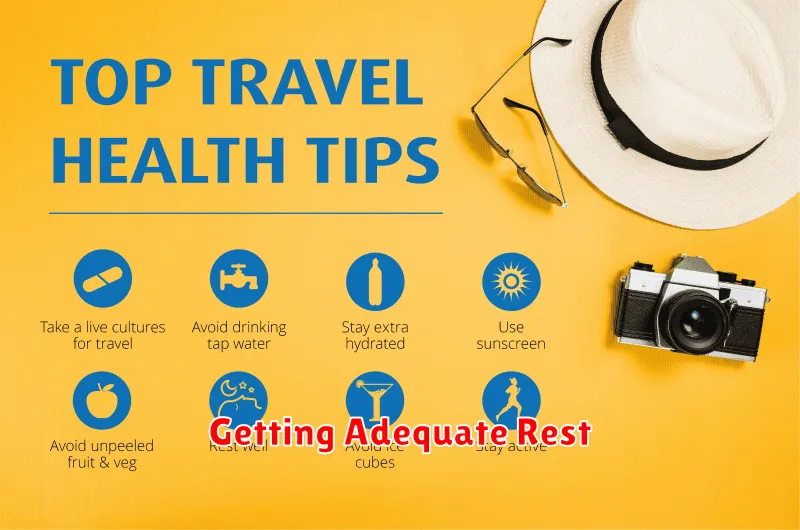
Prioritizing sleep is crucial for maintaining health while traveling abroad. Changes in time zones, long flights, and busy itineraries can disrupt sleep patterns, impacting your immune system and overall well-being.
Aim for 7-8 hours of quality sleep each night. Adjust to the local time as quickly as possible by aligning your sleep schedule upon arrival. Avoid caffeine and alcohol close to bedtime.
Consider packing items that promote sleep, such as earplugs, an eye mask, or a travel pillow. Creating a relaxing pre-sleep routine can also be beneficial.
