
Traveling to new and unfamiliar places offers incredible opportunities for personal growth, adventure, and cultural exchange. However, to truly embrace and respect the cultures you encounter, understanding proper cultural etiquette is essential. This article delves into the realm of cultural norms and travel etiquette, providing you with invaluable insights and practical tips to navigate diverse cultural landscapes with sensitivity and respect. Whether you’re a seasoned globetrotter or embarking on your first international adventure, mastering essential cultural etiquette for travelers will enrich your experience and foster meaningful connections with people from all walks of life.
From greetings and dining customs to appropriate attire and gift-giving traditions, cultural etiquette varies significantly across the globe. Observing and respecting these nuances demonstrates your cultural sensitivity and fosters positive interactions with local communities. This guide will explore essential cultural etiquette for travelers, covering key aspects of respectful behavior in various cultural contexts. By familiarizing yourself with these cultural norms and practicing travel etiquette, you’ll not only enhance your travel experience but also contribute to cross-cultural understanding and appreciation.
Dress Appropriately
Respecting local customs through appropriate attire is crucial. Research the destination’s cultural norms regarding clothing before you travel. Some cultures have specific expectations for religious sites, official buildings, or even public spaces.
Modesty is often valued, particularly in conservative cultures. This might involve covering shoulders, knees, or even hair. Carrying a scarf or shawl can be a versatile solution for adapting to varying situations.
While comfort is important, avoid clothing that is overly revealing or displays potentially offensive graphics or slogans. Blending in demonstrates respect and can enhance your travel experience by fostering positive interactions with locals.
Understand Greeting Customs
Greetings are fundamental to any social interaction, and they vary significantly across cultures. A simple handshake might be standard in one country, while a bow or a kiss on the cheek is expected in another. Misunderstandings in greetings can lead to awkwardness or even offense, making it crucial to research local customs before you travel.
Key considerations include the formality of the greeting (formal vs. informal), physical contact (handshakes, hugs, etc.), gender-specific customs, and verbal greetings. Being observant of local interactions is also helpful in learning acceptable practices.
Respect Local Religious Practices
Demonstrating respect for local religious customs is crucial when traveling. This includes being mindful of appropriate attire when visiting religious sites. Dress modestly, which may involve covering your shoulders, knees, or head.
Photography restrictions often apply within sacred spaces. Always seek permission before taking photos or videos. Be aware of specific customs like removing shoes or lowering your voice.
Public displays of affection may be considered inappropriate in certain religious contexts. Observe the behavior of locals and follow their lead. Participating in religious ceremonies as an observer is usually acceptable, but avoid disruptive behavior.
Dining and Tipping Etiquette
Understanding local dining customs is crucial for a respectful and enjoyable travel experience. Table manners vary significantly across cultures. In some countries, it’s considered polite to finish all the food on your plate, while in others, leaving a small amount shows you’re satisfied.
Tipping practices are also diverse. Some cultures expect generous tips, while others find it offensive. Researching the specific customs of your destination beforehand is essential. Be mindful of using utensils appropriately and avoiding loud conversations or disruptive behavior.
When in doubt, observe locals and err on the side of formality. Being a respectful diner demonstrates cultural sensitivity and enhances your overall travel experience.
Language Basics and Politeness
While fluency isn’t expected, learning basic phrases in the local language demonstrates respect and can greatly enhance your travel experience. Greetings, thank yous, and simple questions like “Excuse me” or “Do you speak English?” go a long way.
Even if your pronunciation isn’t perfect, the effort is appreciated. Carry a pocket phrasebook or utilize a translation app for quick access to essential phrases. Politeness is key; a smile and respectful demeanor can bridge communication gaps.
Be mindful of volume and tone. Speaking loudly doesn’t necessarily improve understanding and may be perceived as rude. Observe local customs regarding body language, as gestures can have different meanings across cultures.
Photography Rules
Always ask for permission before taking photos of people, especially in culturally sensitive environments. A simple gesture or question can go a long way in showing respect.
Be mindful of restrictions on photography in certain areas. Religious sites, government buildings, and private property may have specific rules. Observe posted signage or inquire with staff.
Avoid using flash photography in museums or other locations where it may be prohibited due to potential damage to artifacts or artwork.
Be discreet when taking photos and avoid intrusive behavior. Respect the privacy of others and be mindful of your surroundings.
Public Behavior Norms
Maintaining proper public behavior is crucial for showing respect and integrating smoothly into a new environment. Volume control is key; avoid loud conversations, especially in quieter spaces like public transport or religious sites. Personal space varies across cultures; be mindful of proximity to others.
Queueing etiquette is often expected, particularly in lines for services or transportation. Avoid cutting in line and maintain an orderly fashion. Public displays of affection may be frowned upon in certain cultures, so exercise discretion. Finally, be aware of local customs regarding photography; some locations may prohibit or restrict it.
Gift-Giving Traditions
Understanding gift-giving customs can greatly enhance your cultural sensitivity while traveling. Presenting a gift is often a gesture of respect and goodwill, but the etiquette surrounding it varies significantly across cultures.
Some cultures place strong emphasis on the presentation of the gift, such as using specific wrapping paper or presenting it with both hands. Others may have traditions regarding whether a gift should be opened immediately or later in private.
Be mindful of appropriate gifts. While flowers are often a safe choice, certain types may carry specific meanings in different cultures. Similarly, some gifts may be considered taboo or inappropriate.
Researching gift-giving customs for your specific destination is strongly encouraged prior to your trip.
Avoiding Offensive Gestures
Gestures seemingly harmless in your home country can carry significantly different, and sometimes offensive, meanings abroad. Being mindful of your body language is crucial for respectful cross-cultural interactions.
Hand gestures are especially important to consider. The “thumbs-up” sign, a positive affirmation in many Western cultures, can be insulting in others. Similarly, the “OK” sign can convey vulgarity in certain regions. Even pointing, a common way to indicate direction, can be perceived as rude in some cultures.
Researching common gestures of your destination before you travel will help you avoid unintentional misunderstandings and demonstrate respect for local customs. When in doubt, it’s always best to err on the side of caution and keep hand gestures to a minimum.
Learning About Cultural Taboos
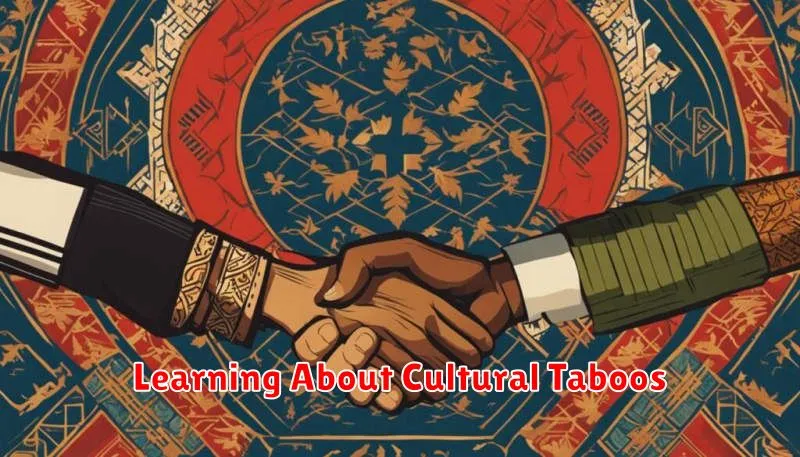
Navigating cultural differences involves more than just learning basic greetings. Understanding cultural taboos is crucial for showing respect and avoiding unintentional offense. Taboos are actions or behaviors considered unacceptable within a specific culture. They vary widely across the globe and can relate to various aspects of life, including dining, dress, gestures, and gift-giving.
Researching your destination’s customs before you travel is essential. Guidebooks, online resources, and cultural exchange programs can provide valuable insights into potential cultural sensitivities. Being mindful of your actions and demonstrating a willingness to learn and adapt will contribute significantly to positive cross-cultural interactions.
