
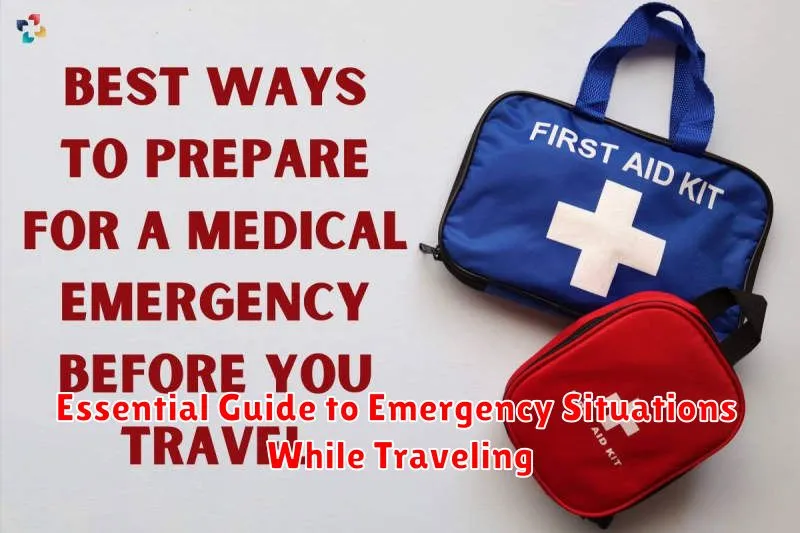
Traveling can be an enriching experience, but unforeseen emergency situations can disrupt even the most meticulously planned trips. Being prepared for such circumstances is crucial for ensuring your safety and well-being while abroad. This essential guide provides comprehensive information and practical advice on handling a variety of travel emergencies, from medical issues and natural disasters to lost documents and encounters with crime. Understanding how to navigate these situations will empower you to respond effectively and minimize potential risks.
This guide addresses crucial aspects of preparing for and managing emergency situations while traveling. It covers essential pre-trip planning, including necessary documentation, insurance considerations, and assembling a travel emergency kit. Furthermore, it provides detailed guidance on handling specific travel emergencies, offering actionable strategies and resources to ensure your safety and security. Whether you are a seasoned traveler or embarking on your first international adventure, this guide will serve as an invaluable resource for navigating unforeseen challenges and ensuring a smoother, safer travel experience.
Recognizing Common Travel Emergencies
Being aware of potential emergencies is crucial for safe travels. Medical emergencies are common, ranging from minor illnesses like food poisoning to more serious situations requiring hospitalization. Understanding the local healthcare system is vital.
Lost or stolen documents like passports or visas can significantly disrupt your trip. Keeping copies and knowing the procedure for replacements is essential.
Natural disasters, depending on your destination, could include earthquakes, hurricanes, or floods. Stay informed about local alerts and evacuation procedures.
Personal safety concerns such as theft or assault are unfortunately a reality. Be aware of your surroundings and take necessary precautions to protect yourself and your belongings.
Knowing Local Emergency Numbers
When traveling, familiarizing yourself with local emergency numbers is crucial. Don’t assume all countries use the same numbers as your home country. Knowing the correct contact information can save valuable time in a critical situation.
Research and save emergency contact information before your trip. This includes not only general emergency services but also specific contacts like the local police and ambulance services. Consider storing these numbers in your phone’s contacts and writing them down in a physical notebook.
Your country’s embassy or consulate can also be a valuable resource in an emergency. Note their contact details before departing.
Contacting Your Embassy
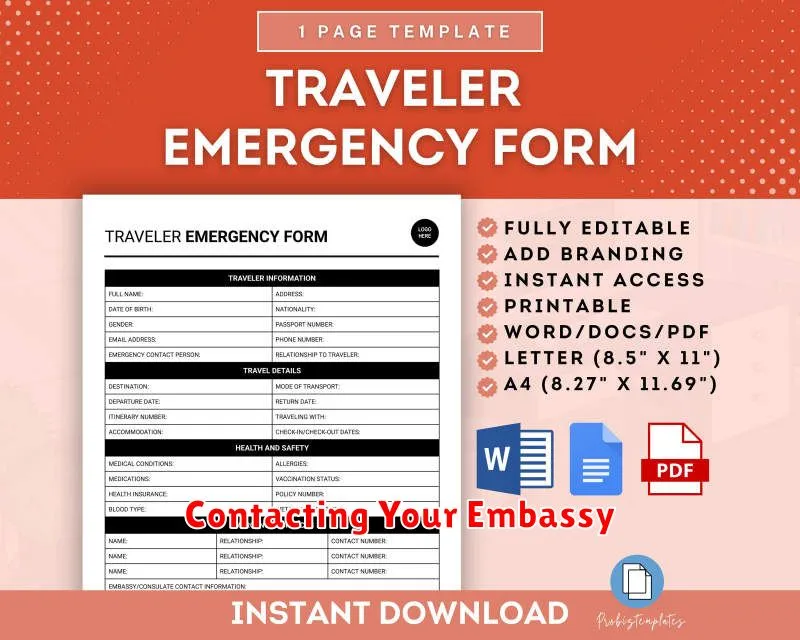
In an emergency abroad, your embassy or consulate can be a vital resource. They can provide assistance with lost or stolen passports, medical emergencies, legal issues, and natural disasters.
Before traveling, locate and save the contact information for your embassy or consulate in your destination country. This information should include their address, phone number, and emergency contact details.
Keep this information accessible both physically in printed form and digitally on your phone or other electronic devices. Consider informing a trusted friend or family member of your embassy’s contact details as well.
Handling Medical Emergencies
Medical emergencies can arise unexpectedly while traveling. Being prepared is crucial. First, secure your immediate safety and then assess the situation. If the emergency is life-threatening, immediately contact local emergency services.
If possible, locate the nearest medical facility. Keep a list of emergency contacts, including your physician and insurance provider, readily accessible. Clearly communicate your symptoms and medical history to medical professionals. Ensure you have travel insurance that covers medical evacuations if necessary.
Pack a basic first-aid kit with essentials like bandages, antiseptic wipes, pain relievers, and any personal prescription medications.
Dealing with Natural Disasters
Natural disasters can occur unexpectedly during travel. Preparation and quick action are crucial. Prior to your trip, research potential hazards at your destination. Familiarize yourself with evacuation routes and local emergency procedures.
During a natural disaster, prioritize your safety. Follow instructions from local authorities. Seek shelter immediately if necessary. Stay informed about the situation via radio or official alerts.
After the immediate danger has passed, assess your situation. Contact your embassy or consulate if needed. Inform family and friends of your status. Be patient as infrastructure and communication may be disrupted.
Managing Travel Document Loss
Losing your passport or other essential travel documents can be a distressing experience. However, swift action can mitigate the impact.
First, file a police report. This report serves as official documentation of the loss. Second, contact your embassy or consulate. They can assist with issuing emergency travel documents and provide guidance on local procedures.
Third, inform your airline or travel agent. They may have specific requirements or be able to offer support. Finally, if your documents were stolen, report the theft to your credit card companies and banks to prevent fraudulent activity.
What to Do in Case of Theft
Discovering you’ve been robbed can be incredibly distressing, but it’s crucial to act quickly and methodically. First, ensure your safety. If the theft is in progress, do not confront the thief. Your safety is paramount.
Contact the local police immediately to report the crime. Provide them with all necessary details of the incident, including what was stolen and when and where the theft occurred. Obtain a copy of the police report, as this will be essential for insurance claims and other official procedures.
Next, contact your bank and credit card companies to cancel any stolen cards and monitor your accounts for unauthorized activity. If your passport was stolen, report it to your embassy or consulate as soon as possible.
Understanding Your Travel Insurance
Travel insurance is a crucial component of safe and responsible travel. It provides financial protection and assistance in a range of unforeseen circumstances that can disrupt your trip. Before purchasing a policy, it is essential to thoroughly understand its coverage.
Key areas of coverage often include medical emergencies, trip cancellations, lost luggage, and emergency evacuations. The specifics of these coverages—such as the monetary limits and qualifying circumstances—vary between policies.
Carefully review your policy documents to determine what is and isn’t covered. Pay close attention to the terms and conditions, exclusions, and the claims process. Understanding these details will enable you to utilize your insurance effectively should the need arise.
Having an Emergency Contact List
A readily accessible emergency contact list is essential for any traveler. This list should include key contacts who can be reached in various situations.
Important contacts to include:
- Family members
- Close friends
- Your physician
- Embassy or consulate (if traveling internationally)
- Insurance providers (health, travel, etc.)
Ensure the list contains both names and up-to-date phone numbers. Consider storing this information both physically (printed copy) and digitally (on your phone and in cloud storage) for easy access even if one method fails.
Preparing an Emergency Travel Kit
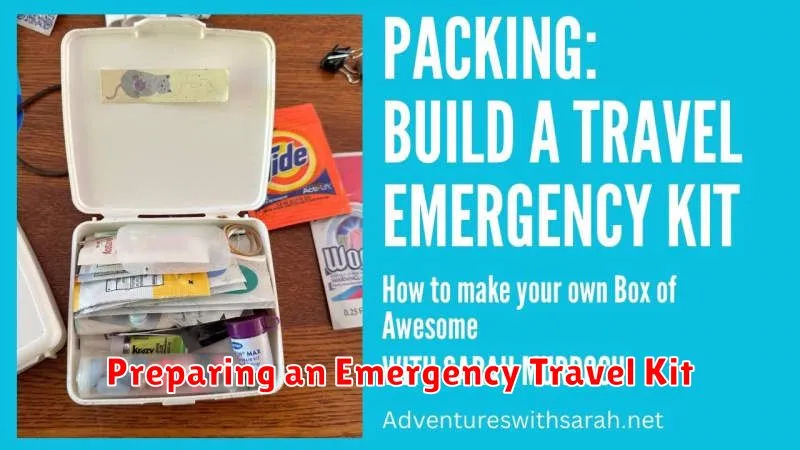
A well-stocked emergency travel kit is crucial for handling unexpected situations. Pack it in a durable, easily accessible bag.
Essential items include:
- First-aid supplies (bandages, antiseptic wipes, pain relievers)
- Medications (prescriptions, anti-diarrheal medication)
- Copies of important documents (passport, visa, insurance)
- Cash in small denominations
- A portable charger
- A flashlight
- A whistle
Tailor your kit to your specific destination and any personal medical needs.
