
Traveling abroad offers incredible opportunities for personal growth, expanding horizons, and experiencing the world’s rich tapestry of cultures. However, navigating the complexities of different customs and traditions can be challenging. Cultural sensitivity is paramount for any traveler venturing beyond their familiar borders. Understanding and respecting cultural nuances fosters positive interactions, enhances the travel experience, and demonstrates respect for the local communities you encounter. This article explores the importance of cultural sensitivity when traveling abroad, providing valuable insights and practical tips for respectful and meaningful cross-cultural engagement.
Embracing cultural sensitivity while traveling abroad involves more than simply adhering to basic etiquette. It necessitates a genuine willingness to learn about and appreciate the unique values, beliefs, and practices of different cultures. From understanding appropriate dress codes and dining customs to navigating social interactions and communication styles, cultural awareness enriches your journey. By demonstrating respect and cultural sensitivity, you contribute to positive cross-cultural exchange, fostering meaningful connections with people and places around the globe. This understanding contributes significantly to a more rewarding and authentic travel experience, allowing for deeper immersion and appreciation of the destinations you visit.
Understanding Local Customs
Traveling to a new country offers exciting opportunities to experience different cultures. A key aspect of respectful travel involves understanding and adhering to local customs. This demonstrates respect for the host culture and can significantly enhance your travel experience.
Researching basic customs before you depart is essential. This includes learning about appropriate greetings, dining etiquette, dress codes, and acceptable behavior in public spaces. Being aware of these nuances can prevent unintentional cultural offenses and foster positive interactions with locals.
While navigating unfamiliar customs, maintaining an open mind and a willingness to adapt is crucial. Embrace the differences and be prepared to step outside of your comfort zone. Observing and mirroring the behavior of locals can be a helpful way to learn and show respect.
Respecting Religious Practices
Demonstrating respect for religious practices is paramount when traveling abroad. Different cultures have varying customs and beliefs, and understanding these differences is key to being a respectful traveler.
Dress modestly when visiting religious sites. This may include covering your head, shoulders, or knees. Be mindful of photography restrictions, as some sites prohibit taking pictures altogether, while others may restrict photographing specific areas or objects.
Lower your voice and maintain a respectful demeanor within sacred spaces. Avoid disruptive behaviors, such as loud conversations or inappropriate laughter. Be aware of specific customs related to entering and exiting religious sites, such as removing shoes or performing certain rituals. Adhering to these practices demonstrates your respect for the local culture and its beliefs.
Proper Dress Etiquette

Respecting local customs through appropriate attire is crucial. Researching the cultural norms of your destination before you travel is highly recommended. What may be considered acceptable in your home country could be deemed offensive elsewhere.
Modesty is often emphasized in many cultures. This may involve covering shoulders, knees, or even hair. In certain religious sites, specific dress codes may be mandatory, such as head coverings or removal of shoes.
While embracing local fashion can be a sign of respect, avoid wearing traditional or religious garments if you are not a member of that culture. This could be perceived as disrespectful or mocking.
Politeness and Greetings
Demonstrating politeness through appropriate greetings is crucial for showing respect and building positive relationships while traveling abroad. Cultural norms dictate how people greet each other, and these customs can vary significantly from your own.
A simple handshake may be acceptable in some cultures, while others may prefer a bow, a namaste, or a cheek kiss. Researching these customs beforehand can prevent misunderstandings and demonstrate your cultural sensitivity.
Being mindful of your tone of voice and body language is also important. A respectful and attentive demeanor can go a long way in making a good first impression.
Appropriate Behavior in Public Spaces
Maintaining appropriate behavior in public spaces demonstrates respect for the local culture. Volume control is crucial. Avoid loud conversations or boisterous laughter that may be considered disrespectful. Be mindful of personal space, as acceptable distances vary between cultures. Avoid excessive touching or standing too close to strangers.
Photography requires consideration. Always ask permission before taking photos of individuals, especially in sensitive locations like religious sites. Observe posted signs regarding photography restrictions. Public displays of affection may be frowned upon in certain cultures. Exercise restraint to avoid causing offense.
Avoiding Offensive Gestures
Gestures seemingly innocuous in your home country can carry significantly different, and sometimes offensive, meanings abroad. Researching common gestures in your destination is crucial to avoid unintentional misunderstandings or disrespect.
A simple thumbs-up, a peace sign, or even the way you point can be interpreted negatively depending on the local culture. Being mindful of your body language and refraining from casual gestures until you understand their local significance demonstrates respect and helps foster positive interactions.
Dining and Food Customs
Food plays a central role in many cultures. Showing respect for local dining customs is crucial for a positive travel experience. This includes being mindful of appropriate table manners, such as the use of utensils or hands.
Dietary restrictions and preferences also vary significantly. Communicating your needs politely and respectfully is essential. Be prepared to try new things, but don’t feel pressured to eat anything that makes you uncomfortable.
Being aware of local customs surrounding tipping, paying the bill, and even accepting or refusing food is important. Researching these customs beforehand can prevent unintentional offense and demonstrate cultural sensitivity.
Photography Etiquette
Demonstrating respect and cultural sensitivity is crucial when taking photographs abroad. Always ask for permission before photographing individuals, particularly in sensitive locations like religious sites or ceremonies. Nonverbal cues are not always reliable, so verbal confirmation is essential. Be mindful of how your actions might be perceived, especially in cultures with differing norms surrounding photography.
Avoid taking photos of military installations, government buildings, or areas marked as restricted. These actions could be misconstrued and lead to unwanted consequences. Additionally, be discreet when photographing street scenes or everyday life, ensuring you are not intruding on people’s privacy.
Handling Language Barriers Respectfully
Navigating language differences is a key aspect of respectful travel. Patience is crucial. Avoid raising your voice or showing frustration. Instead, try speaking slowly and clearly, using simple words.
Non-verbal communication can be incredibly helpful. Gestures, pointing, and smiles can often bridge the gap. Learning a few basic phrases in the local language, such as “hello,” “thank you,” and “excuse me,” demonstrates respect and can greatly enhance your interactions.
Consider using translation apps or carrying a phrasebook. If possible, seek assistance from locals who may be willing to translate. Remember, even a small effort to communicate respectfully can go a long way in fostering positive cross-cultural experiences.
Researching Cultural Norms Before You Go
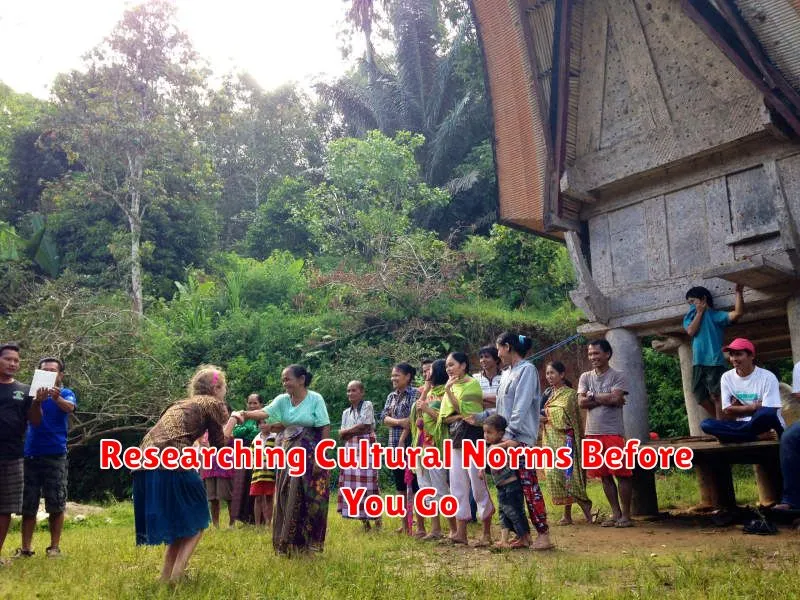
Understanding cultural norms is a critical aspect of respectful travel. Prior to your departure, dedicate time to researching the specific customs and traditions of your destination. This preparation can significantly enhance your travel experience and prevent unintentional cultural faux pas.
Consider researching topics such as appropriate attire, dining etiquette, acceptable forms of greeting, and any sensitive religious or social topics. Being aware of these nuances demonstrates respect for the local culture and can lead to more meaningful interactions with the people you encounter.
Resources for research include travel guides, country-specific websites, and cultural etiquette books. Thorough research will empower you to navigate unfamiliar situations with grace and sensitivity.
