
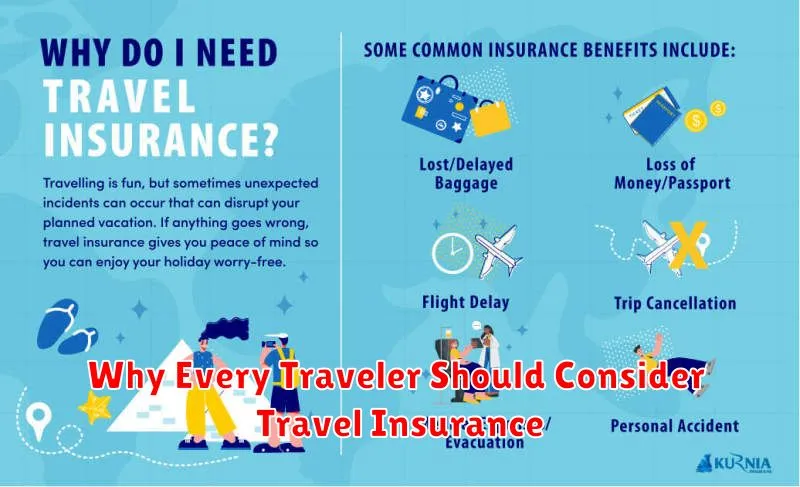
Traveling is an enriching experience, offering opportunities to explore new cultures, discover breathtaking landscapes, and create unforgettable memories. However, unforeseen circumstances such as medical emergencies, trip cancellations, lost luggage, or natural disasters can disrupt even the most meticulously planned trips. This is why travel insurance is a crucial investment for every traveler, providing financial protection and peace of mind against these potential travel risks. Considering travel insurance isn’t just a precaution; it’s a smart way to safeguard your trip investment and ensure a smooth and enjoyable journey.
From unexpected medical expenses to the inconvenience of trip cancellations, travel insurance offers a safety net against a range of potential issues. Whether you’re embarking on a short domestic trip or a long-haul international adventure, understanding the benefits of travel insurance is essential. This article will explore why every traveler should consider travel insurance, outlining the key advantages and highlighting the various types of coverage available to protect yourself and your belongings while traveling.
Understanding the Basics of Travel Insurance
Travel insurance is a crucial aspect of trip planning, providing financial protection against unforeseen circumstances that can disrupt your travels. It acts as a safety net, safeguarding you from potential financial losses and offering assistance in times of need.
Coverage typically includes trip cancellations, interruptions, medical emergencies, lost baggage, and flight delays. The cost of travel insurance varies based on factors such as the length of your trip, destination, and coverage options.
Choosing the right policy is essential. Consider your individual needs and the specific risks associated with your destination. Read the policy details carefully to understand the coverage limits, exclusions, and claim procedures.
Coverage for Medical Emergencies
Perhaps the most critical aspect of travel insurance is coverage for medical emergencies. Unexpected illnesses or injuries can occur anywhere, anytime. Without travel insurance, you could face exorbitant medical bills in a foreign country.
Travel insurance typically covers hospitalization, doctor visits, emergency medical evacuation, and even repatriation if necessary. This protection provides invaluable peace of mind, knowing that you won’t be burdened with crippling medical expenses should the unexpected happen.
Policies can vary, so it’s essential to understand the specifics of your chosen plan. Pay close attention to coverage limits, exclusions, and any pre-existing condition clauses.
Protection Against Trip Cancellations
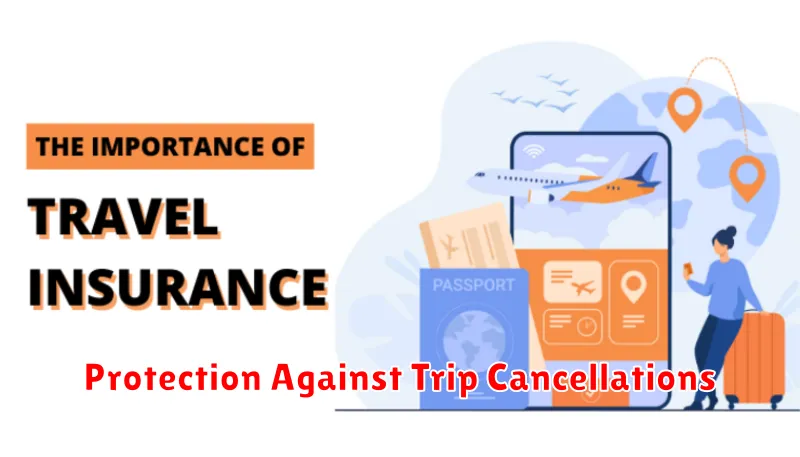
Trip cancellations can be incredibly disruptive and costly. Travel insurance offers a crucial safety net, protecting you from unforeseen circumstances that may force you to cancel your trip. Covered reasons typically include sudden illness or injury (to you or a close family member), severe weather events impacting your destination, and certain work-related emergencies.
With trip cancellation coverage, you can recoup prepaid, non-refundable expenses such as airfare, hotel accommodations, and tour bookings. This can save you a substantial amount of money and alleviate the financial stress associated with an unexpected cancellation.
Lost or Delayed Luggage
Lost or delayed luggage can significantly disrupt travel plans. Travel insurance often provides coverage for lost, stolen, or delayed baggage. This coverage can help reimburse you for the cost of essential items you need to purchase while your luggage is delayed, as well as compensate you for the value of your belongings if your luggage is lost or stolen.
Typically, there’s a specified waiting period before a bag is declared delayed. Once that period passes, the insurance will kick in. Check your policy for specifics on coverage limits and the required documentation for filing a claim.
Adventure and High-Risk Activities Coverage
Standard travel insurance policies often exclude coverage for high-risk activities. If your trip involves activities like scuba diving, mountain climbing, bungee jumping, or skiing, you’ll need to consider a policy that specifically covers these pursuits.
These specialized policies offer crucial protection should an accident occur while participating in these activities. This coverage can include medical expenses, emergency evacuation, and even repatriation. Without it, you could face significant out-of-pocket costs for treatment and transport in the event of an injury.
Be sure to carefully review the policy’s terms and conditions to ensure it adequately covers the specific activities you plan to undertake. Look for policies that explicitly list covered activities and their respective coverage limits.
Evaluating Insurance Providers
Choosing the right travel insurance provider involves careful consideration of several key factors. Begin by comparing the coverage options offered by different providers. Ensure the policy adequately addresses potential risks such as trip cancellations, medical emergencies, lost luggage, and flight delays. Pay close attention to the coverage limits for each category to ensure they align with your needs and potential expenses.
Next, evaluate the policy’s exclusions and limitations. Understand what circumstances are not covered to avoid surprises later. Finally, consider the provider’s reputation for customer service and claims processing. A provider with a strong track record in these areas can provide valuable peace of mind during a travel disruption.
How to File a Claim Properly
Filing a travel insurance claim properly is crucial for a successful reimbursement. Immediately notify your insurance provider of any incident that may lead to a claim. This often involves a phone call and subsequent written notification.
Gather all necessary documentation, including your policy details, trip itinerary, receipts for expenses incurred, and any supporting evidence like medical reports or police reports (if applicable). Organize these documents meticulously.
Complete the required claim forms accurately and thoroughly. Provide clear and concise explanations for all expenses. Submit all documentation promptly to avoid delays in processing.
Exclusions You Should Know
While travel insurance offers valuable protection, understanding its limitations is crucial. Certain situations are typically excluded from coverage. Pre-existing medical conditions are often not covered unless a specific waiver is purchased. Be sure to carefully review policy details regarding pre-existing condition coverage.
High-risk activities such as extreme sports or adventure travel may also be excluded. If you plan to participate in such activities, look for a policy that specifically covers them. Additionally, travel to destinations under government travel advisories might be excluded, or claims related to such travel could be denied.
Acts of war or terrorism, as well as civil unrest, are generally not covered by standard travel insurance policies. Specialized coverage may be available for these situations, but it’s often more expensive.
Cost-Benefit Analysis
A key aspect of deciding on travel insurance involves weighing the cost of the policy against the potential benefits.
While the upfront cost of insurance might seem like an added expense, consider the potential financial implications of unforeseen events. Medical emergencies abroad can be extraordinarily expensive. Trip cancellations due to illness, natural disasters, or unforeseen circumstances can lead to significant losses on prepaid bookings. Lost or stolen luggage can also incur substantial replacement costs.
Travel insurance provides a safety net, mitigating these potential financial burdens. By paying a relatively small premium, you protect yourself from potentially devastating financial losses. Carefully evaluate the coverage options and policy limits to ensure they align with your specific needs and travel plans.
Making the Most of Your Policy

Understanding your travel insurance policy is crucial for maximizing its benefits. Thoroughly review the policy documents upon receipt, paying close attention to covered reasons for trip cancellations or interruptions, baggage loss or delay stipulations, and medical emergency coverage details. Knowing the claim filing procedures is equally important. Familiarize yourself with required documentation and deadlines to ensure a smooth process should you need to make a claim.
Keep all relevant documentation organized and readily accessible, including your policy number, contact information for the insurance provider, and any supporting documents related to your trip or potential claims. This preparedness can save you valuable time and reduce stress during an unexpected event.
Contact your insurance provider immediately if you experience a covered event. Prompt communication allows them to guide you through the necessary steps and provide timely assistance. Be prepared to provide accurate and detailed information regarding the incident.
